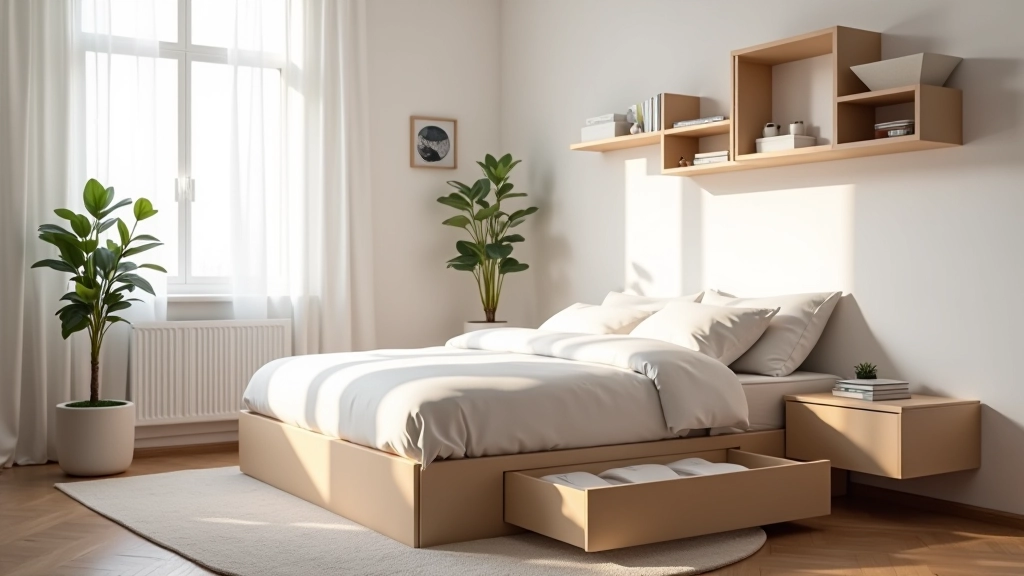
Maximizing Under-Bed Storage in Small Bedrooms
Transform wasted space beneath your bed into functional storage. We'll show you container options, organization systems, and how to access items without disrupting your room layout.
Read ArticleLiving rooms in Vilnius apartments are often tight. Wall-mounted shelves aren't just a storage solution — they're a way to transform empty wall space into functional, attractive displays. We'll show you how to choose, install, and style shelving that actually works for your space.
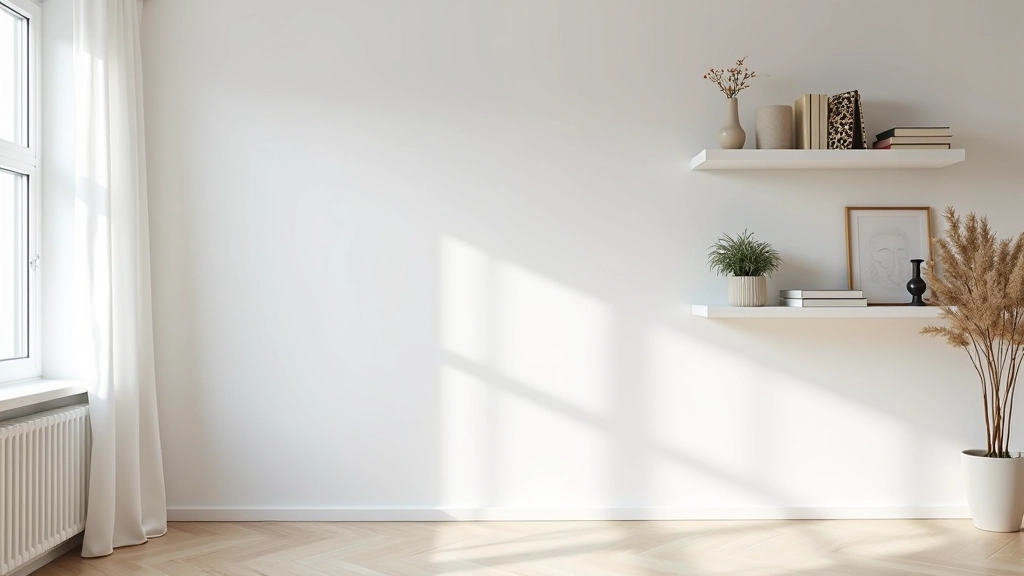
Floor space in apartments is precious. That's why wall-mounted shelves are so popular in Vilnius homes — they give you storage without eating into your living area. But it's not just about function. Done right, shelves become a design feature that makes your room feel bigger and more organized.
The key difference between shelves that work and shelves that look cluttered comes down to planning. You'll need to think about weight capacity, spacing, and what you're actually displaying. A shelf packed with heavy books needs different treatment than one holding decorative items and plants.
Walls that were previously empty now add visual interest and functionality to your living room.
Most wall-mounted shelves can be installed in an afternoon with basic tools and careful measurements.
Quality floating shelves hold significant weight when properly anchored into wall studs.
There's more variety in wall shelving than you might think. Floating shelves are the most popular choice because they look clean and modern. But they're not the only option. Understanding the differences helps you pick what actually works for your living room layout and your needs.
These attach directly to the wall with hidden brackets. They're sleek, contemporary, and great for displaying items you want to highlight. Just remember — they need to be anchored into wall studs or use heavy-duty anchors if you're installing into drywall only.
Visible brackets create an industrial or rustic look. They're often stronger than floating shelves and work well if you need serious weight capacity. You can find brackets in different materials — metal, wood, or combinations.
Track-based systems let you adjust shelf height as you go. They're perfect if you're not sure about your final layout or want flexibility. You'll see these a lot in modern apartments because they're adjustable without replacing hardware.
Here's the truth about installing shelves — most people skip the planning and pay for it later. You don't want shelves that sag or, worse, pull away from the wall. The installation process itself is straightforward, but the preparation is where you'll spend most of your time.
Use a stud finder to locate wall studs — these are your strongest anchor points. Mark them lightly with pencil. If studs don't align with where you want shelves, you'll need heavy-duty drywall anchors designed for the weight you're planning to carry.
Measure from the floor up to mark where your shelf will sit. Use a level — not your eye. Even slightly tilted shelves look wrong and cause items to slide. Mark your holes precisely before drilling anything.
Drill pilot holes to prevent the wall from cracking. Insert anchors or bolts into studs. Tighten everything firmly — loose shelves will fail. Give it a gentle push before loading anything to make sure it's solid.
Attach the shelf to the brackets. Check the level one more time. Before you load it with books, test it by putting weight on different areas. If it feels solid, you're good. If not, reinforce the installation before adding items.
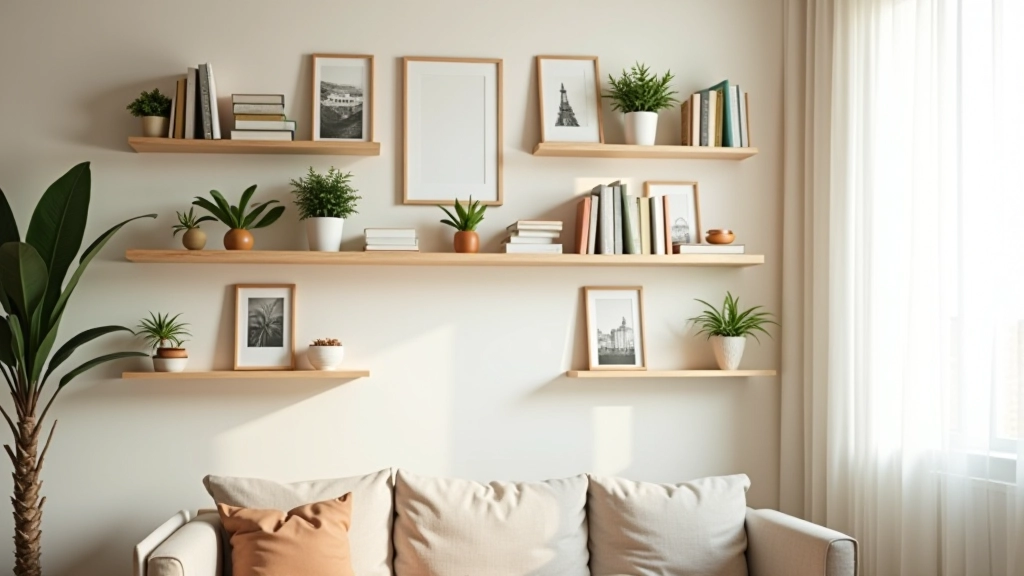
Installed shelves are one thing. Making them look like part of your design is another. The difference between shelves that feel cluttered and shelves that look curated comes down to arrangement. You're not just storing things — you're creating a visual display.
Think about balance. Don't put all your books on one shelf and decorative items on another. Mix them. A shelf with only books looks boring. A shelf with books, a plant, a small frame, and some negative space (empty room) feels intentional. Vary the heights of items — a stack of books next to a tall plant next to a small frame. This creates visual rhythm.
Books create color naturally. If you have mostly dark book spines, add lighter decorative pieces to balance. White, cream, or natural wood tones help break up heavy colors.
Grouping items in odd numbers (3, 5, 7) looks more natural than even numbers. This applies to plants, frames, or decorative objects on your shelf.
Don't fill every inch. Empty space is part of the design. It gives your eye a place to rest and makes the whole arrangement feel less cramped.
This article provides general guidance for wall-mounted shelf installation and styling. Installation requirements vary based on your specific wall type (concrete, brick, drywall), building age, and local construction standards. Always follow manufacturer instructions for the specific shelving system you're installing. If you're uncertain about wall structure, stud location, or weight capacity, consult a professional handyperson or contractor. This is especially important in older Vilnius buildings where wall composition may be unpredictable. Proper installation is critical for safety — incorrectly installed shelves can cause injury or damage if they fail under load.
Wall-mounted shelving transforms your living room from a space where things sit on the floor to one where vertical surfaces work for you. You're not just adding storage — you're creating a focal point that reflects your personality and style. A well-installed, thoughtfully styled shelf setup makes apartments feel bigger, more organized, and genuinely livable.
The investment of time upfront — finding studs, measuring carefully, securing everything properly — pays off every day you live with the shelves. You'll notice the difference when you can actually display the things you love instead of cramming them into closets. Start with one wall, get the process down, then expand if you want. Small changes like these are how apartments become homes.