Container Systems That Keep Your Kitchen Functional
Smart storage solutions for Vilnius apartments that actually work. No clutter, no wasted space.
Why Kitchen Container Systems Matter
Your kitchen is probably the busiest room in your apartment. It's where you cook, eat, and often work from home. But most of us just shove things wherever they fit.
Here's the thing: when your containers aren't organized, you waste time searching for ingredients. You buy duplicates you already have. Your countertops stay cluttered. And honestly? Cooking becomes less enjoyable.
We're going to walk through container systems that actually work in small Vilnius apartments. Not fancy solutions that look good in magazines but collapse after three weeks. Real systems you can set up this weekend.
Types of Containers That Work
Not all containers are created equal. You'll want a mix of sizes and styles depending on what you're storing.
Airtight Containers for Dry Goods
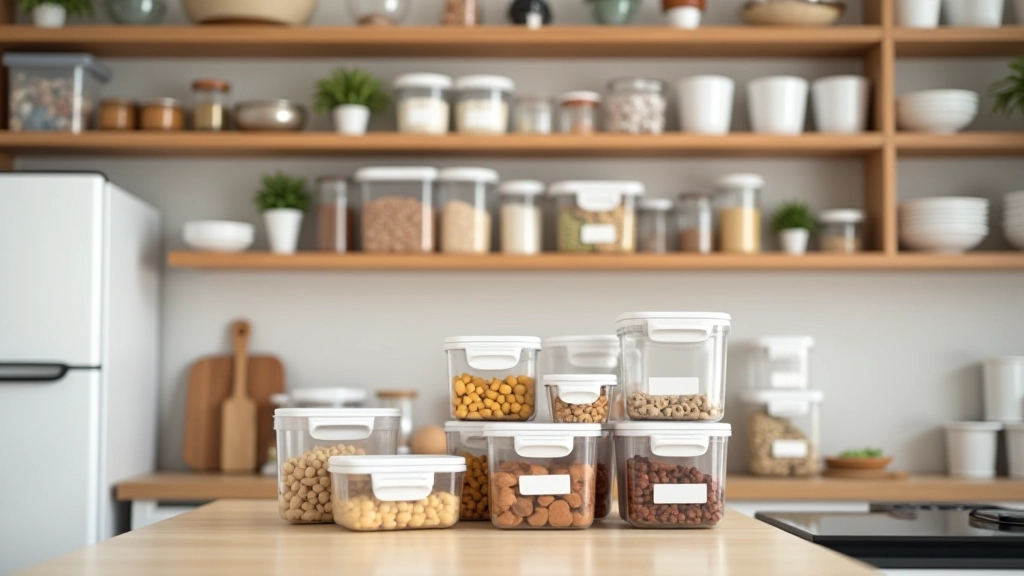
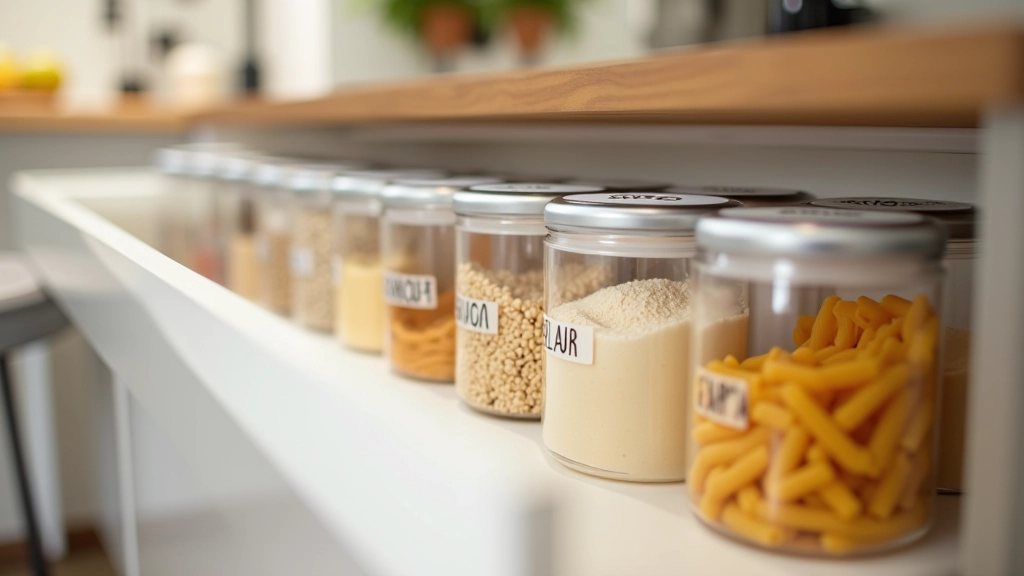
These are your foundation. Get containers that seal properly — you want them protecting flour, sugar, cereals, and pasta from humidity. In Vilnius apartments with older windows, moisture is real. Look for containers that stack neatly and have clear sides so you can see what's inside without opening them.
The standard sizes that work best? 1.5L for flour and sugar, 0.5L for spices and smaller items. They'll fit in most cabinets without creating gaps.
Fridge Containers for Produce and Leftovers
Different containers work here. You need something that keeps vegetables crisp and lets you see what's in there before you open the fridge door. Rectangular containers with vented lids are your best bet.
Building Your System: Step by Step
Measure Your Spaces
Before you buy anything, measure your cabinet depths, widths, and heights. Write them down. Most kitchen cabinets in Vilnius apartments are around 20cm deep, and that matters when choosing containers.
Audit What You Have
Pull everything out of your cabinets. You'll probably find expired spices from 2019 and three containers of nutmeg. Toss the expired stuff. This takes about 30 minutes and makes a huge difference.
Invest in Labels
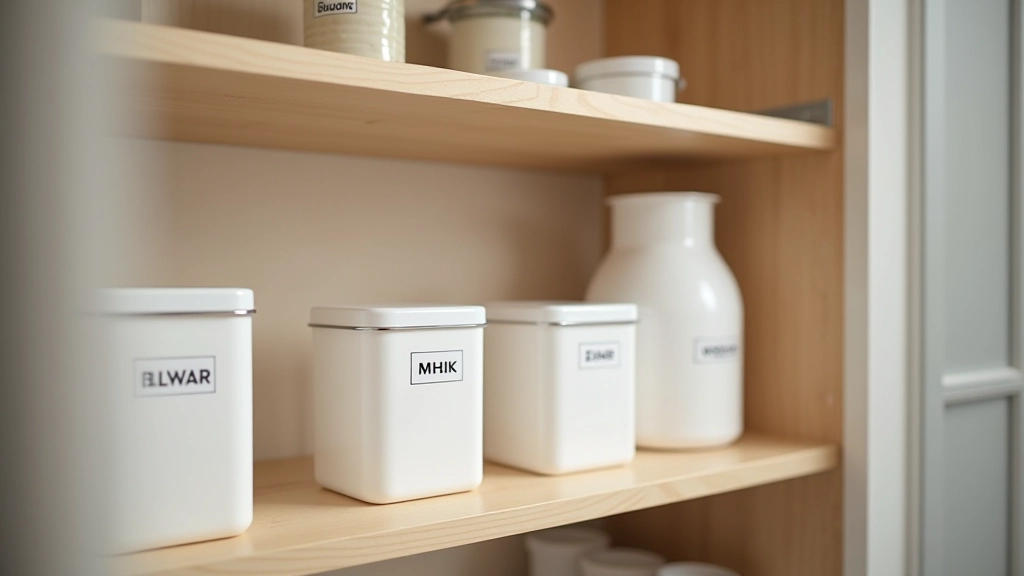
Don't skip this step. A label maker or waterproof stickers make a huge difference. You'll know exactly what's in each container and when you opened it. Label everything — seriously, everything.
Organize by Frequency
Put daily-use items at eye level. Seasonal items and bulk supplies go higher or lower. Spices you use weekly should be easier to reach than that special flour you use once a year.
Create Storage Zones in Your Kitchen
Think about how you cook. You probably have a flow: pantry for ingredients, fridge for fresh items, freezer for proteins. Your containers should follow this same logic.
The Baking Zone
Keep all baking supplies together. Flour, sugar, baking powder, vanilla extract — they're all in one cabinet. When you decide to bake, you grab one container and you're done hunting. This saves time and prevents mistakes like forgetting you need baking soda.
The Spice Zone
Spices in one place. Use a tiered organizer or stacked containers so you can see everything at once. You'll actually use the spices you own instead of buying the same one three times.
The Snack Zone
Lower cabinet or drawer for snacks everyone can reach. Use smaller containers for cereals, crackers, and nuts. Label them clearly so people don't open multiple containers looking for what they want.
Keeping Your System Working Long-Term
Monthly Check
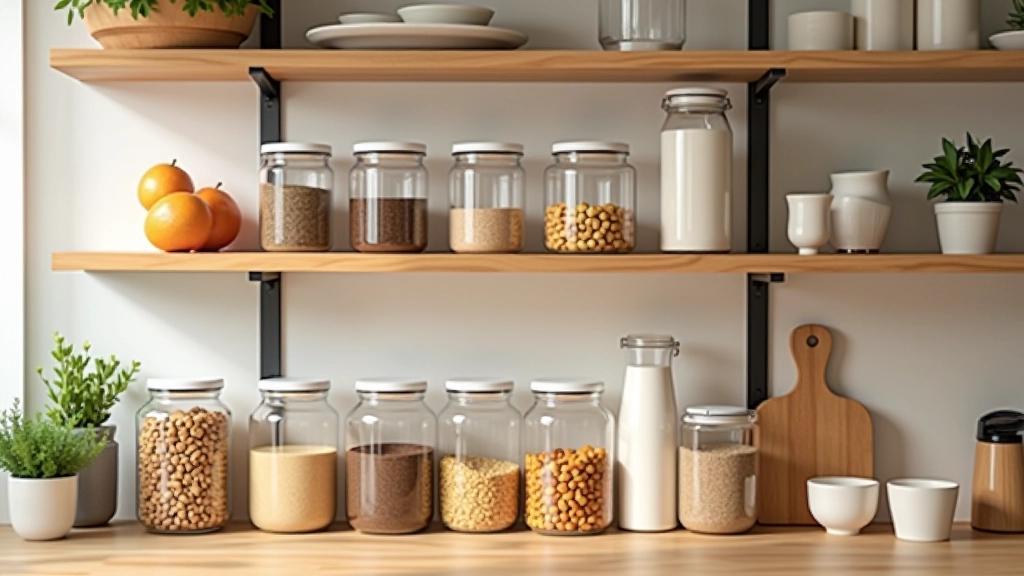
Once a month, look through your containers. Are the labels still clear? Do you need to restock anything? This takes 10 minutes and keeps everything running smoothly.
Refresh Labels Quarterly
Faded labels lead to forgotten containers. Replace them every three months. It's a small task that prevents waste and keeps things clear.
Clean Containers When Empty
When you finish a container of flour or sugar, wash it before refilling. Don't mix old with new. Fresh containers mean your ingredients last longer and taste better.
About This Guide
This article provides general guidance on kitchen container organization. Results depend on your specific kitchen layout, cabinet dimensions, and personal cooking habits. Container recommendations are based on common apartment sizes in Vilnius. Your situation may require different approaches. Always measure your spaces before purchasing containers.

Related Articles